
Last updated November 15, 2026
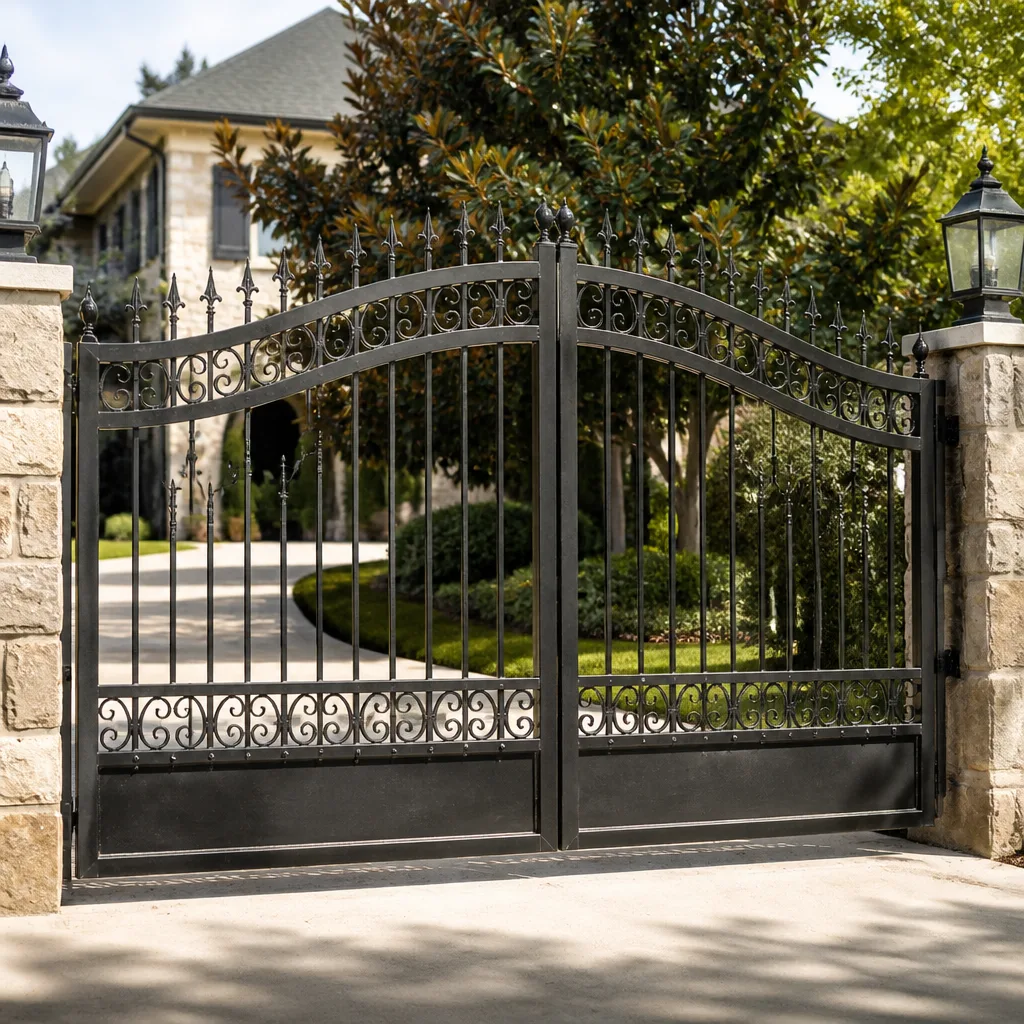 Wrought iron
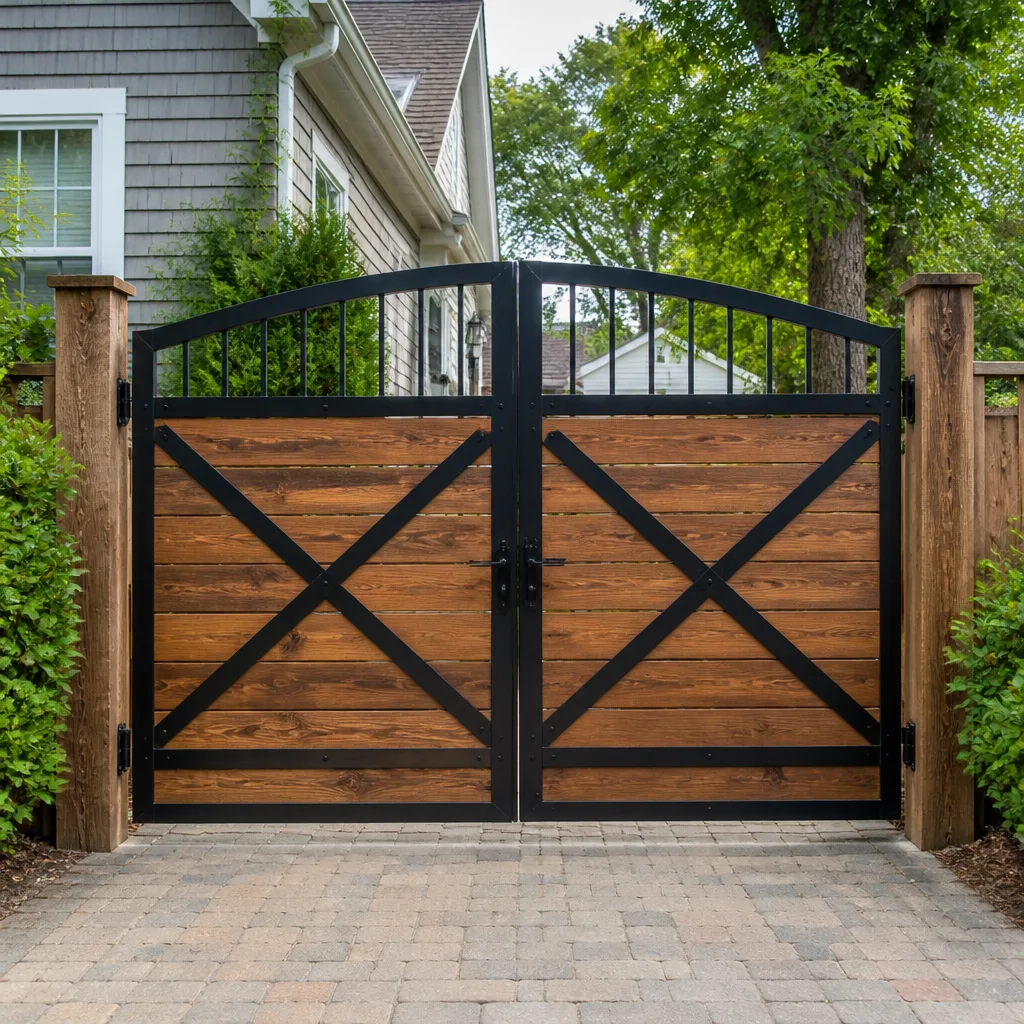 Wood & steel frame
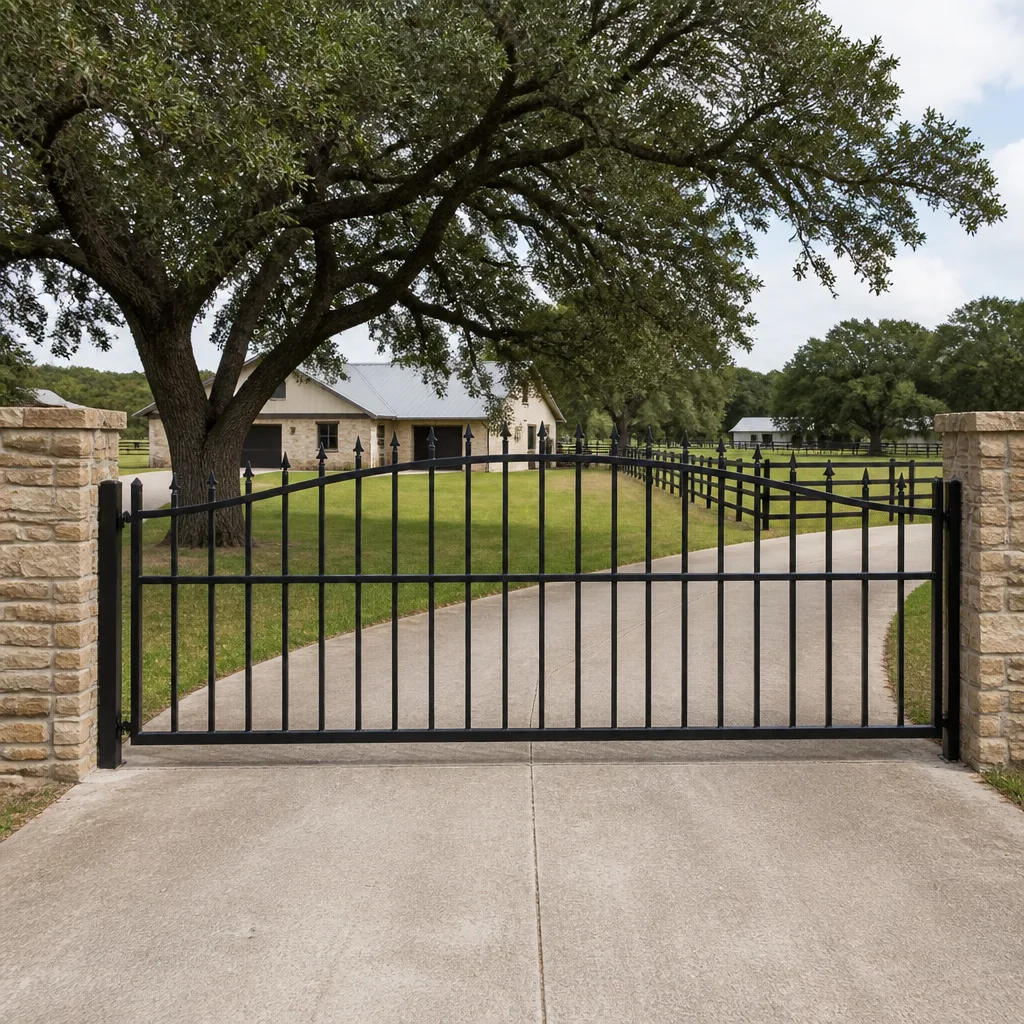 Farm & ranch
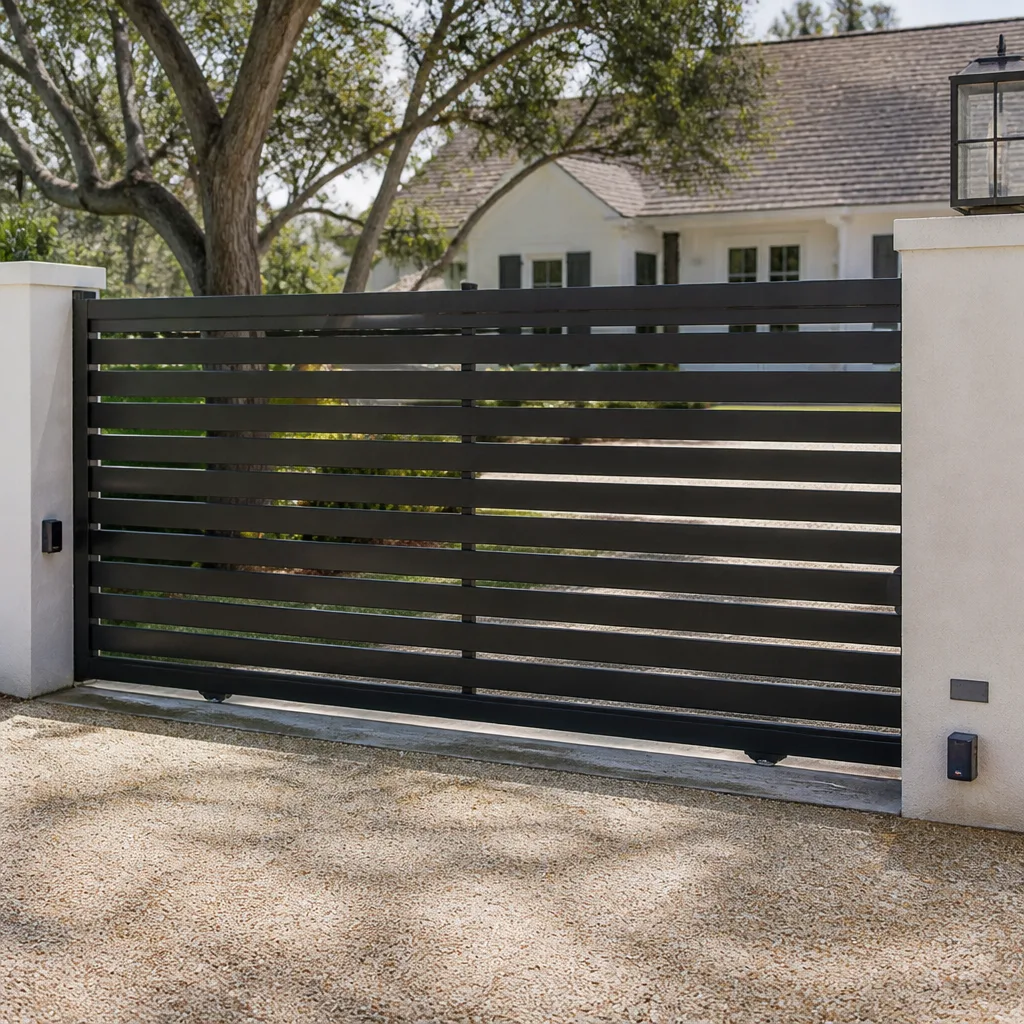 Sliding driveway gates
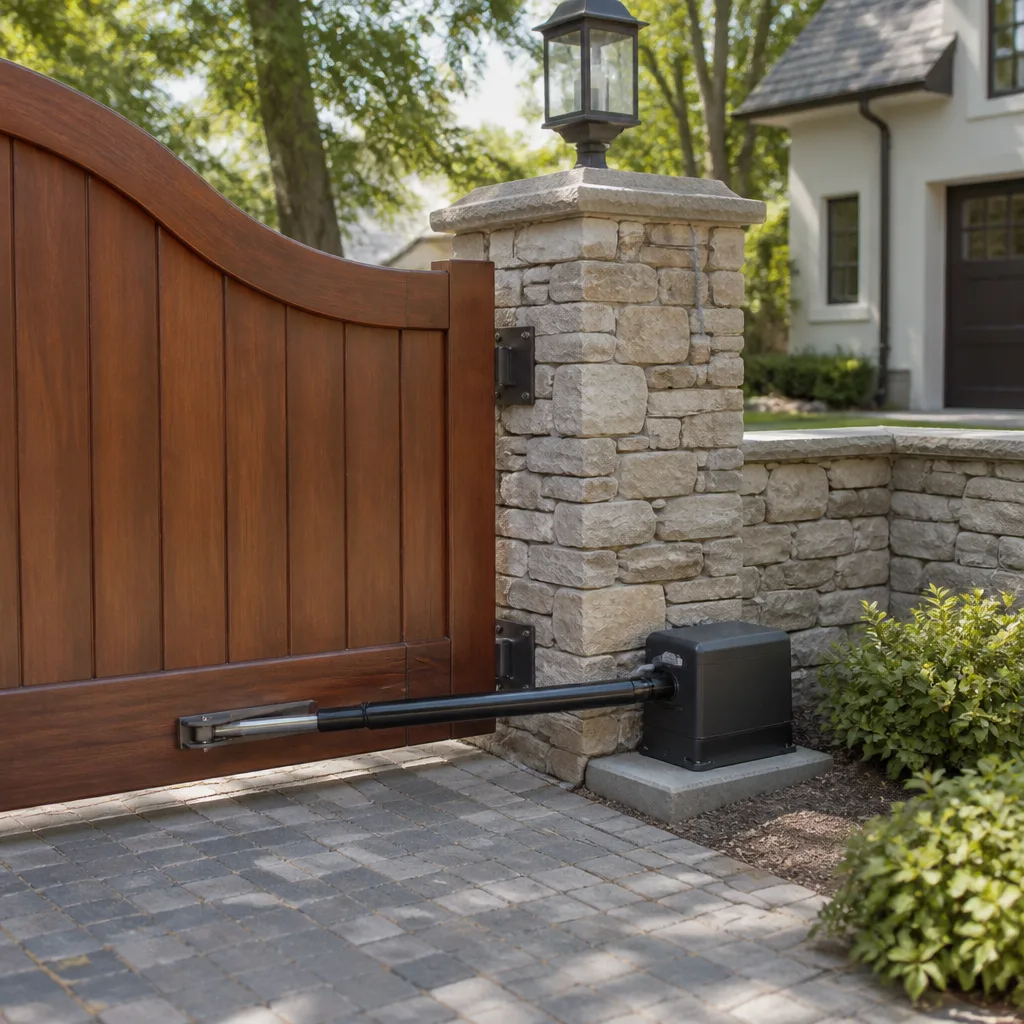 LiftMaster operators
Free on-site gate assessment - hinges, posts, and your LiftMaster or Nice gate operator checked before anything is quoted
The assessment is free and the quote is the invoice.
Get your free estimateGate Repair Maintenance Schedule: What to Do and When
Most gate maintenance advice you’ll find is one line: oil the hinges once a year and you’re fine. That advice ignores how a gate actually behaves through a Modesto year. Modesto summers push 100°F, and that heat expands aluminum gate frames enough to bind a latch that swung freely in April and to tax a motor that ran quietly in March. A single annual checkup misses the small seasonal windows where a five-minute adjustment prevents a mid-summer failure. This guide lays out four service windows tied to Modesto’s conditions, what to inspect in each, and how the schedule shifts by brand.
Quick Answer
A gate maintenance schedule in Modesto should run on four windows: spring (March – April) for hinges, posts, and loop wire after the rainy season; pre-summer (May) for battery load testing and component-specific lubrication; peak summer (July – August) for tracking thermal overload resets as a wear signal; and fall for photoeye realignment and controller board inspection. Brand matters too. Viking systems need chain tension checks every six months; FAAC systems typically hold a 12-month interval. Skip the seasonal rhythm and you get failures in the worst heat.
Styles & brands we work with
- Wrought iron
- Wood & steel frame
- Farm & ranch
- Sliding driveway gates
- LiftMaster operators
Table of Contents
- Why Gate Maintenance Is Seasonal in Modesto, Not Annual
- Spring (March – April): Post-Rain Inspection
- Pre-Summer (May): Battery and Lubrication
- Peak Summer (July – August): Thermal Overload Tracking
- Fall: Photoeyes and Controller Boards
- Brand-Specific Intervals: Viking vs. FAAC and Others
- What You Can Check Yourself vs. What Needs a Technician
- Common Mistakes to Avoid
- When to Call a Professional
- Frequently Asked Questions
Why Gate Maintenance Is Seasonal in Modesto, Not Annual
A gate is a mechanical system sitting outdoors, and in Modesto the outdoor conditions change enough across the year that different parts fail at different times. Summer heat and winter rain don’t stress the same components. Treating maintenance as one annual event means you inspect each part in whatever season you happen to schedule it, which is usually the season when that part is least likely to be failing.
The heat piece is the one most property owners underestimate. Aluminum and steel frames expand measurably as temperatures climb into triple digits. A swing gate that latches cleanly at 70°F can drag against its strike plate at 100°F, and the operator compensates by pushing harder. That extra force shows up as strain on the motor, the gears, and the hinges. Conversely, the wet season loosens soil around posts and works moisture into loop wire buried at the driveway apron. Each of those problems has a natural inspection window.
We’ve worked on gates across Modesto long enough to see the pattern repeat: the calls that come in during a July heat wave trace back to something that was visible and fixable in May. The schedule below is built around catching those things in the right month. It’s also built around the brand on your operator, because a Viking and a FAAC don’t wear at the same rate.
One more reason to think seasonally: an automated gate is part of your access control. When it fails open, it’s an open door. When it fails closed, it’s a stranded car. Neither is a good surprise in peak heat with a line of vehicles behind it.
Spring (March – April): Post-Rain Inspection
Spring is the post-rain window. The rainy season has just finished, and the ground has been saturated and is now drying and shifting. Three things deserve a close look in March and April: hinges, posts, and buried loop wire.
Hinges. After months of moisture, hinge pins and barrels can develop rust, grit, or a dry bind. A swing gate that squeals or hangs slightly is telling you the hinge is loading the operator. Check every hinge on the gate leaf, not just the top one.
Posts and ground heave. Wet soil expands and, as it dries, can shift a swing gate post out of plumb. A post that has moved even a little throws off the latch alignment and forces the operator to work against the frame. Walk the gate through its full swing and watch for the leaf dragging, sagging, or striking the strike plate off-center. That’s your signal the post or hinge has moved.
Loop wire. Safety loop detectors are buried in the driveway, often in sliced conduit. Wet soil expansion and settling can crack the wire or the splice, and the symptom is intermittent: the gate stops detecting a vehicle, or it phantom-triggers. If your Loop fault light flickers after a wet spring, the loop is the first place we look.
- Walk the full swing or slide path and note any drag, sag, or misalignment.
- Inspect every hinge and pivot for rust, grit, and looseness.
- Check post plumb with a level and look for soil movement at the base.
- Watch the loop detector indicator for flicker or phantom triggers during a wet spell.
- Note anything that changed since fall so a technician can target it.
Spring is also the right time to schedule a proper on-site estimate if you’ve noticed a persistent bind. A gate repair in Modesto that starts with a free, written estimate keeps the diagnosis honest before any parts are ordered.
Pre-Summer (May): Battery and Lubrication
May is the last comfortable month before the heat sets in, which makes it the ideal window for the two jobs that protect your operator through summer: battery backup load testing and correct lubrication. Both are quietly important and both are routinely done wrong.
Battery backup load test. Heat degrades battery capacity, and a battery that tested fine in a cool garage in March can fail a load test by July. A proper load test doesn’t just check voltage; it puts the battery under the current draw the operator actually needs to move the gate with the power cut. If your gate is a lifeline for access, don’t skip this. A battery that fails under load in May will strand you during a summer outage.
Lubrication by component. This is where generic “oil it once a year” advice does real damage. Different gate drive types need different lubricants, and the wrong one attracts grit or washes out.
- Chain drive: a chain-specific lubricant that penetrates the links, not a heavy grease that collects dust.
- Rack and pinion (slide gates): a track-and-rack lubricant matched to the rack material; over-greasing a rack attracts grit that grinds the pinion.
- Pivot and hinge points: a light penetrating lubricant at the pins, wiped clean so it doesn’t trap dirt.
- Rollers and tracks (slide gates): clean the track first, then a dry or silicone-based lubricant; never grease a track that collects leaves.
Getting this right in May means the operator runs cooler and with less friction all summer. It’s also where brand knowledge pays off: we set lubrication and battery-timing recommendations by operator family, because a Linear residential unit and a heavy-cycle DoorKing commercial operator don’t want the same treatment. If you’d rather have it done correctly once, electric gate repair is our core service and a May visit fits neatly into the schedule.
Peak Summer (July – August): Thermal Overload Tracking
July and August are when the operator earns its keep and when latent wear shows up. The single most useful thing you can track in peak summer is how often the operator trips its thermal overload. A thermal reset is the operator protecting its motor from heat and strain. One reset on an unusually hot afternoon is normal. Repeated resets are a leading indicator that the motor, the gears, or the load on the gate is heading for failure.
Keep a simple log. Note the date, the time of day, and what the gate was doing when it tripped. If resets climb from once a month to once a week, you have a trend, and a trend is a diagnosis waiting to happen. The usual causes are a binding gate (a hinge or post that drifted after spring), a worn gearbox, a failing capacitor, or simply a motor working against excess friction because the lubrication from May has broken down.
- Log every thermal overload reset with date, time, and gate position.
- If resets are increasing, have the gate’s moving load checked before the motor is blamed.
- Confirm the operator’s cooling vents aren’t blocked by debris or enclosure panels.
- Watch for a gate that slows, stutters, or reverses near the end of travel in heat.
- Don’t keep forcing a tripped operator; repeated resets shorten motor life.
We also see aluminum frame expansion problems peak in this window, especially on swing gates in full afternoon sun. If the latch binds only in the afternoon, that’s thermal expansion, not a latch problem, and a technician can adjust for it rather than replacing hardware that isn’t broken. Get ahead of peak summer with a quick call: we answer 24/7, and fast dispatch runs 7am-7pm.
Fall: Photoeyes and Controller Boards
Fall is the inspection window for the electronics: photoeyes and the controller board. After a summer of heat and bracket drift, photoeyes routinely go out of alignment. The gate starts reversing on nothing, or refuses to close, and the owner assumes a major failure. Usually it’s a bracket that shifted a fraction of an inch.
Photoeye realignment. Photoeyes are the invisible safety beams across the gate opening. Summer heat, vibration, and bumped brackets drift them out of line. A technician realigns them and confirms the beam holds through the full travel. If your gate reverses for no visible reason, this is step one.
Controller board inspection. Outdoor-mounted control panels take everything the weather throws at them. Fall is when we open the enclosure and look for corrosion on the board, water intrusion, loose terminal screws on the intercom and loop wiring, and signs of insect nesting. Corrosion on a control board is the kind of thing that turns a minor fault into a full board replacement if it’s left. On commercial systems like BFT and DoorKing, the board is also where access-control and intercom wiring lives, so a corroded terminal there can knock out your entry system along with the gate.
Fall is also a sensible time to test the whole safety chain: photoeyes, safety edges, and loop detectors. Every one of them is a safeguard, and every one deserves a deliberate test rather than assuming it still works because the gate moves. If anything in the chain is marginal, that’s a repair worth doing before winter.
Brand-Specific Intervals: Viking vs. FAAC and Others
One schedule doesn’t fit every operator. The brand and drive type on your gate dictate how often certain components need attention. We work on nine gate brands, and the interval differences are real, not marketing.
- Viking: chain-driven operators, and chains stretch and wear. Viking systems typically want a chain tension check every six months, with lubrication matched to the chain. A loose chain slaps, wears the sprocket, and strains the motor.
- FAAC: robust systems that commonly hold a 12-month service interval without issue when installed correctly and not overloaded. FAAC hydraulic and electromechanical units reward an annual inspection plus the seasonal checks above.
- Linear: residential and light-commercial operators where battery backup, limit switches, and the control board are the watch items; annual service with seasonal battery checks.
- Ghost Controls: popular residential DIY-friendly systems; the schedule centers on battery health, solar-charge performance in summer, and limit and sensitivity settings.
- LiftMaster, BFT, DoorKing, Elite, Mighty Mule: heavy-cycle commercial systems like DoorKing and BFT want more frequent inspection of the board, loops, and safety devices; residential units like Mighty Mule and Elite follow the annual-plus-seasonal pattern.
The point isn’t to memorize intervals. It’s that a technician who knows your brand knows which components to check first, which cuts down on the return visits that come from applying the same generic fix to every system. If you’re not sure what operator you have, the model plate on the housing tells us, and we build the schedule from there. Modesto property managers with mixed fleets get a per-gate schedule for exactly this reason.
What You Can Check Yourself vs. What Needs a Technician
Some of this schedule is owner-friendly observation; some of it is not. Knowing the line keeps you safe and keeps small issues from becoming expensive ones.
Safe for you to do: keep the gate path clear of debris and leaves, note when the operator trips or reverses, log thermal resets, wipe down tracks, and watch for drag or misalignment during your spring walk-through. Observation and logging cost nothing and give a technician a real head start.
Needs a technician: anything involving the operator’s internal wiring or power, opening the control enclosure, adjusting limit switches or safety devices, testing battery backup under load, and diagnosing repeated faults.
- Do the walk-through and the log yourself; it’s free and it’s useful.
- Leave the control enclosure closed. It holds line voltage and low-voltage control wiring side by side.
- Don’t adjust safety devices or limits to “make it work”; you can defeat the exact protection that stops a gate on a person or a car.
- Have battery load testing and lubrication done by a technician who matches the product to the component.
- Call when resets, reversals, or binds repeat; a pattern is a diagnosis.
The operator’s wiring and power, heavy gate panels that can crush, and slide gates that jump their track are the real dangers on any automated gate, and they’re not a place to experiment. A trained technician handles them as routine work. For a Modesto property, gate repair that starts with a diagnosis beats guesswork every time.
Common Mistakes to Avoid
- Running one annual “oil it” visit. A single checkup misses the spring post-rain window and the pre-summer battery window, which is exactly how operators fail in July. Match the inspection to the season.
- Using the same lubricant everywhere. Greasing a slide track or over-lubricating a rack attracts grit that grinds the pinion. Chain, rack, and pivot points each want a different product.
- Skipping the battery load test. A battery that reads fine on a voltmeter can still fail under the load the gate needs. Test it in May, before heat cuts capacity.
- Ignoring thermal resets. One reset is the operator protecting itself. A rising count is your earliest warning of motor or gear wear, and it’s information you only get if you log it.
- Assuming a reversing gate is a sensor failure. It might be a photoeye out of alignment, but it can also be a binding gate or a wiring fault. Diagnose before replacing parts.
- Forcing a gate that binds only in afternoon heat. That’s usually aluminum expansion, and cranking the operator harder wears it out. Adjust for the expansion instead.
- Skipping the fall board inspection on outdoor panels. Corrosion on a Modesto controller board spreads quietly and can take out the access system. Look inside the enclosure in fall, not when it dies.
When to Call a Professional
Call when the gate’s behavior changes in a way you can’t explain: it reverses on nothing, stops mid-travel, trips its overload repeatedly, or a latch that worked last month now binds. Call if a swing gate post has shifted or the leaf drags, if your loop detector flickers or phantom-triggers, or if the control board shows corrosion or water intrusion. Call any time the operator’s wiring or power is suspect, or a heavy gate or slide gate is off its track; those are safety situations, not DIY projects.
For a proper diagnosis on a Modesto property, Gate Repair Modesto offers free estimates. Call (844) 834-3242. We answer 24/7. Fast dispatch from 7am to 7pm, Sunday through Friday. Our technicians have up to 11 years of experience, and we work on LiftMaster, FAAC, BFT, Linear, Viking, Ghost Controls, DoorKing, Elite, and Mighty Mule.
Frequently Asked Questions
Plan on an annual professional service plus four light seasonal checks (spring, May, peak summer, and fall). In Modesto’s heat, the seasonal checks matter because summer stresses motors and frames that winter rain doesn’t touch. Viking chain systems often need a six-month tension check; FAAC systems commonly hold a 12-month interval. Call (844) 834-3242 for an exact quote on your gate; estimates are free.
Thermal overload from a motor working against extra load is the usual culprit. Heat expands aluminum frames, binds latches, and thins out lubrication, so the operator fights friction it didn’t have in spring. Tracking how often the operator trips its overload is the best early warning. Call (844) 834-3242 for an exact quote; estimates are free.
A gate that reverses on nothing most often has a photoeye out of alignment or a loop detector fault. Summer bracket drift and wet-season loop wire damage both cause it. A technician realigns the photoeyes and tests the loop and safety edges to find which one it is. Call (844) 834-3242 for an exact quote; estimates are free.
You can clean tracks and wipe down accessible pivot points, but skip the operator internals and match the product to the component if you do lubricate. Chain, rack, and pivot points need different lubricants, and the wrong one causes grit buildup. For a correct, one-time job, have a technician handle it. Call (844) 834-3242 for an exact quote; estimates are free.
If the gate behaves consistently and just needs cleaning, lubrication, and adjustment, that’s maintenance. If it reverses, stops mid-travel, trips repeatedly, or binds and you can’t find why, that’s a repair and needs a diagnosis. Call (844) 834-3242 for an exact quote; estimates are free.
Yes. Chain-driven Viking systems want a six-month tension check, while FAAC systems commonly run a 12-month interval. Heavy-cycle commercial systems like DoorKing and BFT want more frequent board and safety-device inspection than residential units. Knowing the brand is how the schedule gets built. Call (844) 834-3242 for an exact quote on your system; estimates are free.
The Bottom Line
Gate maintenance in Modesto works best as four seasonal windows, not one annual event. Spring checks hinges, posts, and loop wire after the rain. May tests the battery and applies the right lubricant to each component. Peak summer is about logging thermal resets so you catch motor wear early. Fall realigns photoeyes and inspects controller boards for corrosion. Layer the brand intervals on top: Viking needs chain tension checks more often than a FAAC system. Do the owner-friendly observation yourself, leave the wiring and safety devices to a technician, and you’ll spend your maintenance budget on prevention rather than emergency repairs.
If you’d like a gate specialist to build a schedule around your specific operator, call Gate Repair Modesto at (844) 834-3242 for a free estimate. We answer 24/7. Fast dispatch from 7am to 7pm, Sunday through Friday.
Written by the team at Gate Repair Modesto.
See the difference
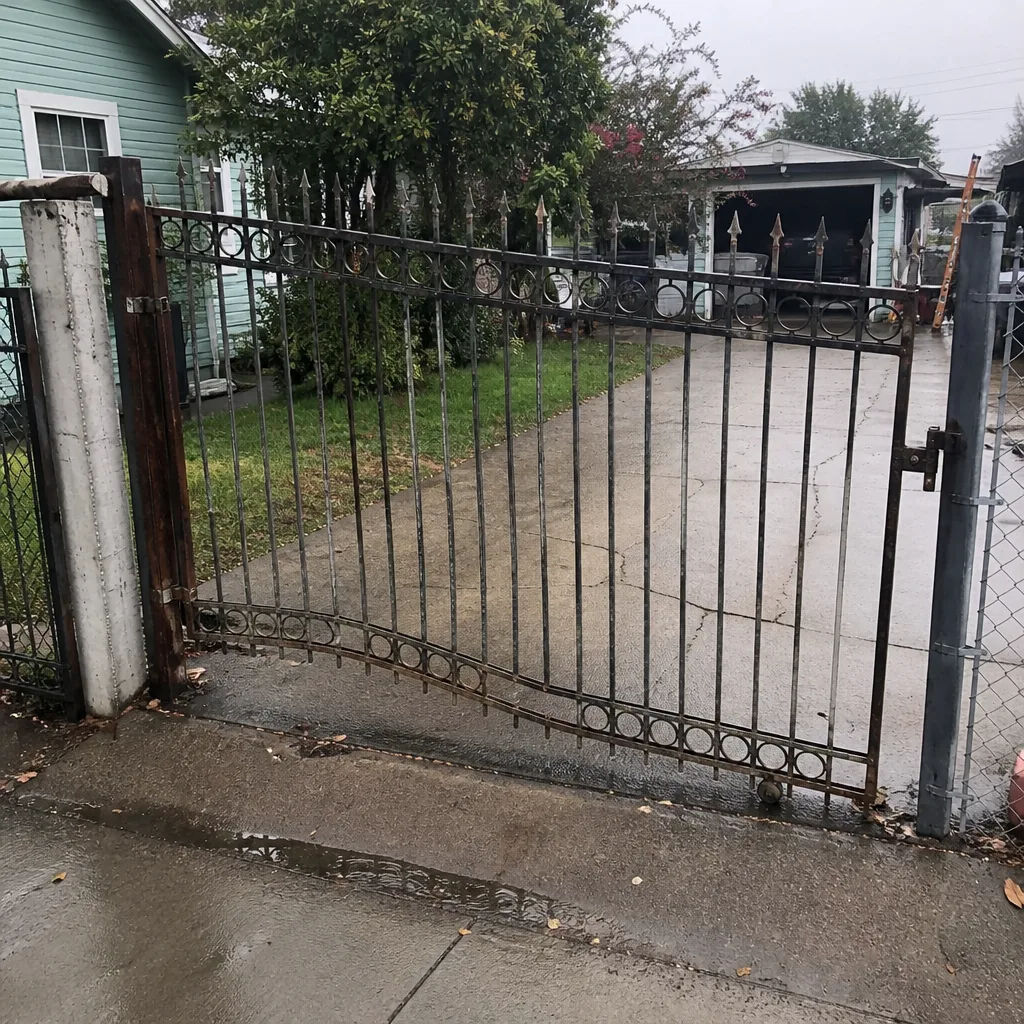 Before
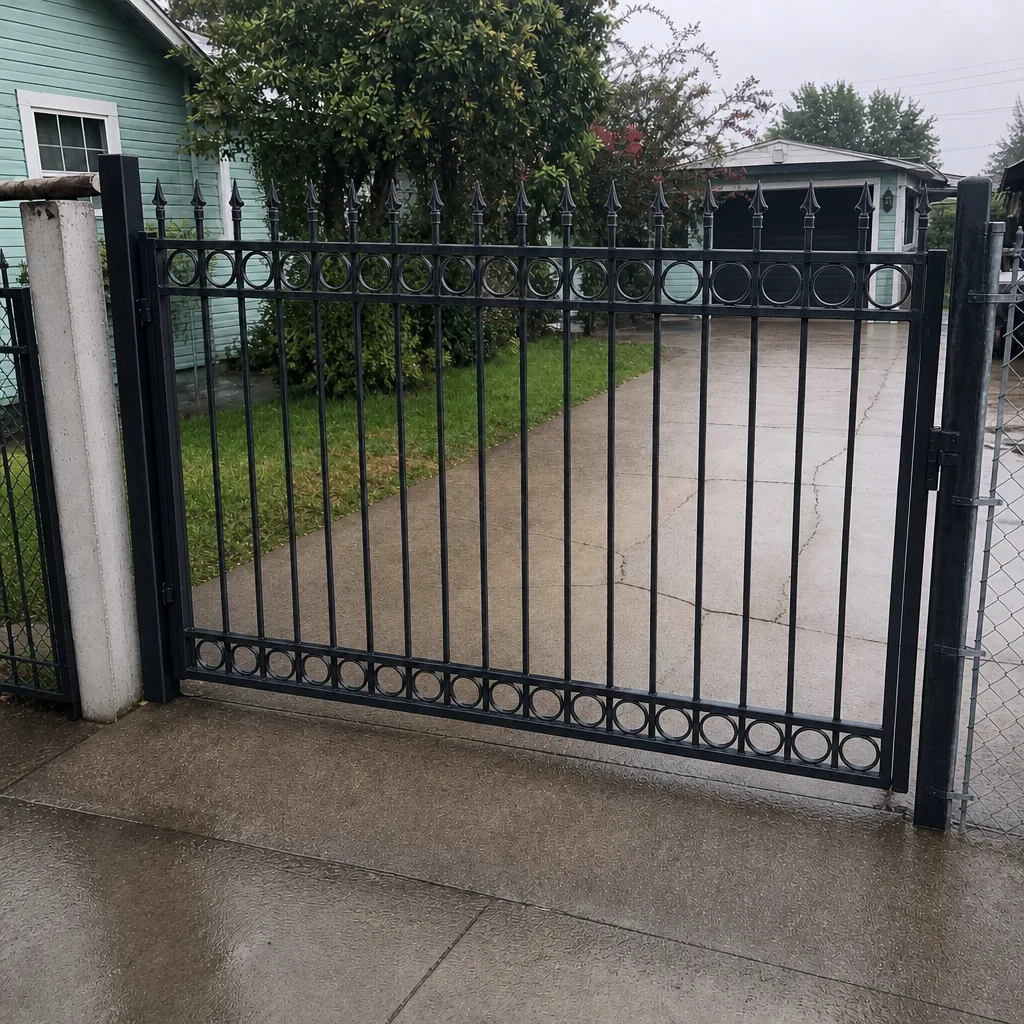 After
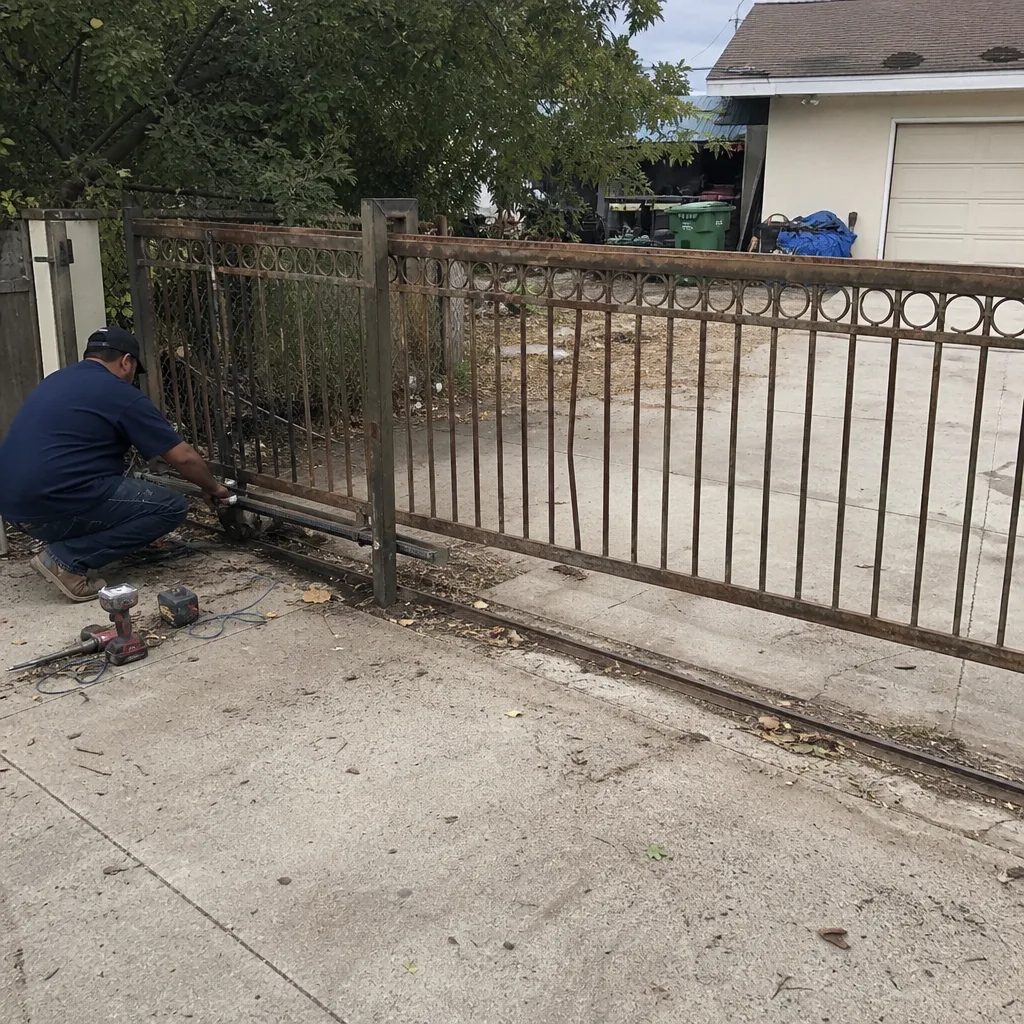 Before
 After
 Before
 After